Hazardous waste, including electronic waste, accounts for significant amounts of toxic waste in landfills. Items such as electronics, fluorescent bulbs and tubes, paints, pesticides, cleaning products, old medications, and other chemicals are illegal to put in the garbage or pour down a drain or gutter because they contaminate our soil, drinking water, and air.
What is considered hazardous waste?
-
- Flammables: Paints, dry or wet, petroleum-based products, and polishes.
- Corrosives: Acids, bases, batteries, and drain clog remover.
- Toxics: Poisons, pesticides, gardening chemicals, ammonia, and solvents.
- Oxidizers: Pool chemicals, hydrogen peroxide, iodine, and perchlorates.
- Other miscellaneous goods: Propane, helium, small oxygen tanks, smoke detectors, and etc.
You can drop off hazardous waste at one of Metro’s transfer stations. Visit Metro’s website or call 503.234.3000 to find transfer station hours, rates, what’s accepted, and more.
Battery Disposal
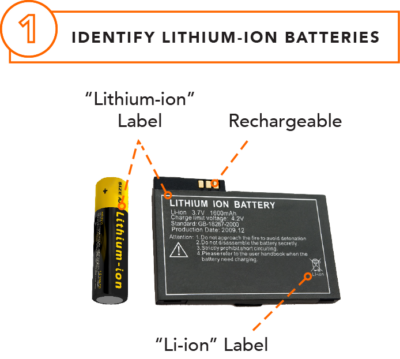
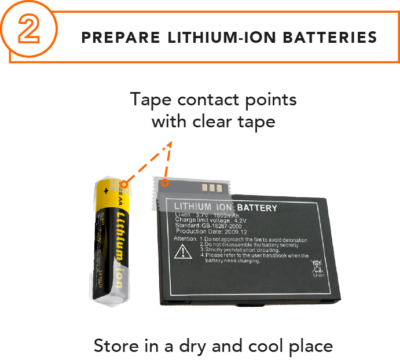
Recology customers can place used household and rechargeable batteries in zip-lock bags that are one quart in size or less and place them in their curbside glass recycling bin on top of the glass for collection by their route drivers. Learn more.
Batteries Can Spark Trouble