From Our CEO
“For decades, Recology has helped define what resource recovery can look like in practice. Today, we are building on that legacy by creating stronger circular systems and advancing sustainable operations.
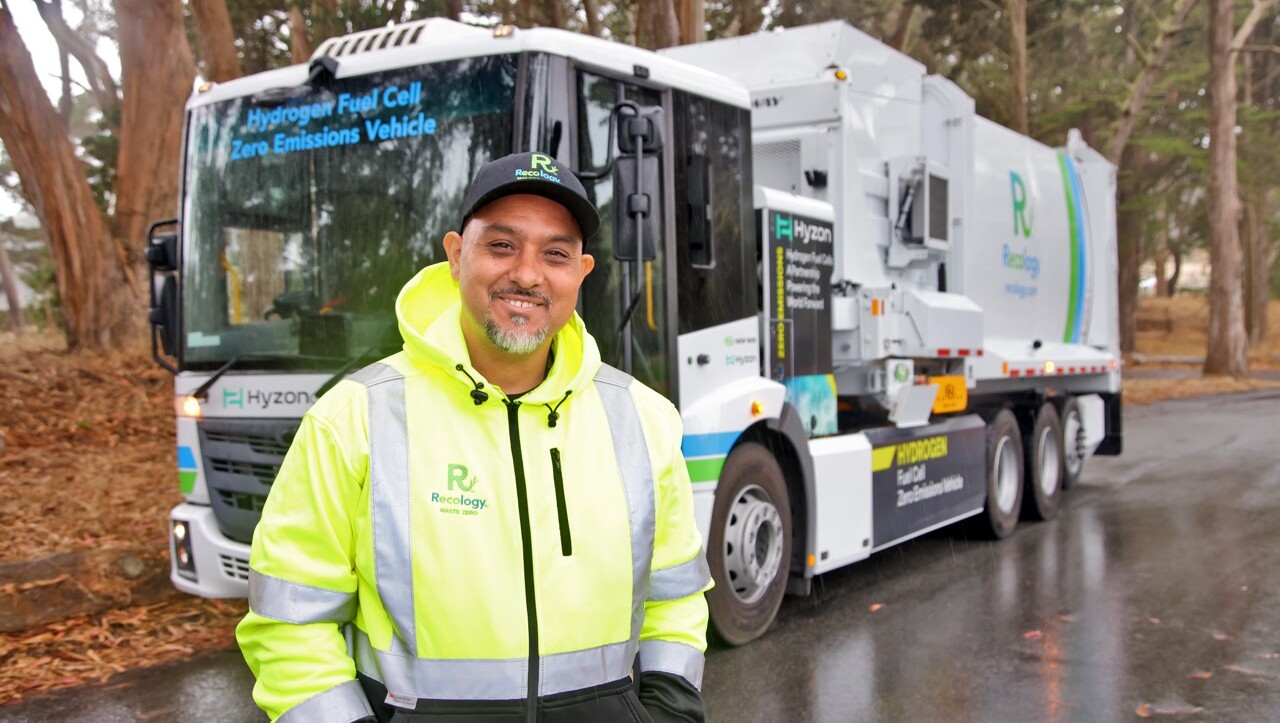
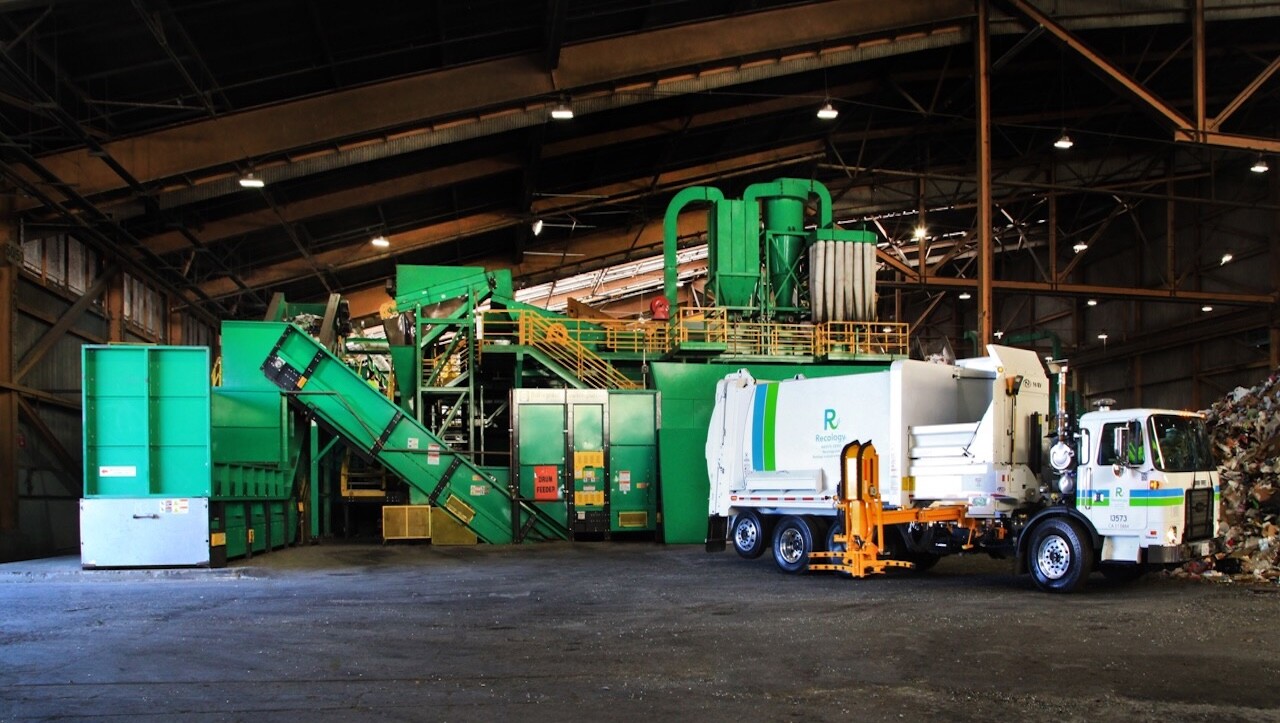
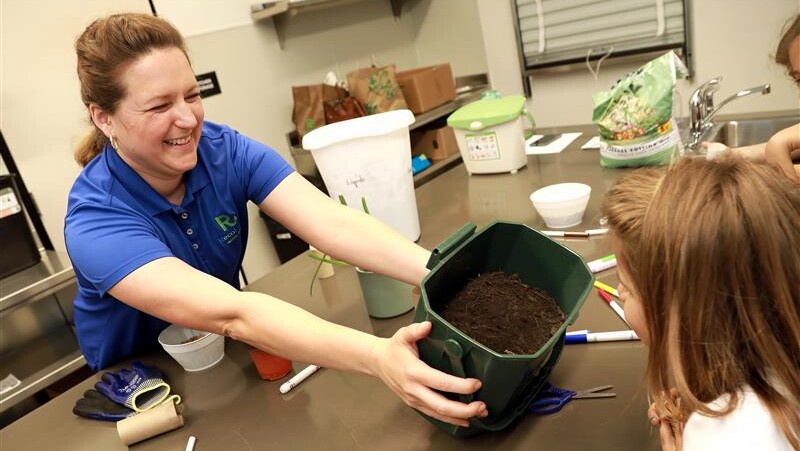
From the fuel we use, to the materials we recover, to the services we provide in more than 130 communities, our work is part of a larger system: helping communities reduce waste and keep resources in use.”
2025 Key Achievements

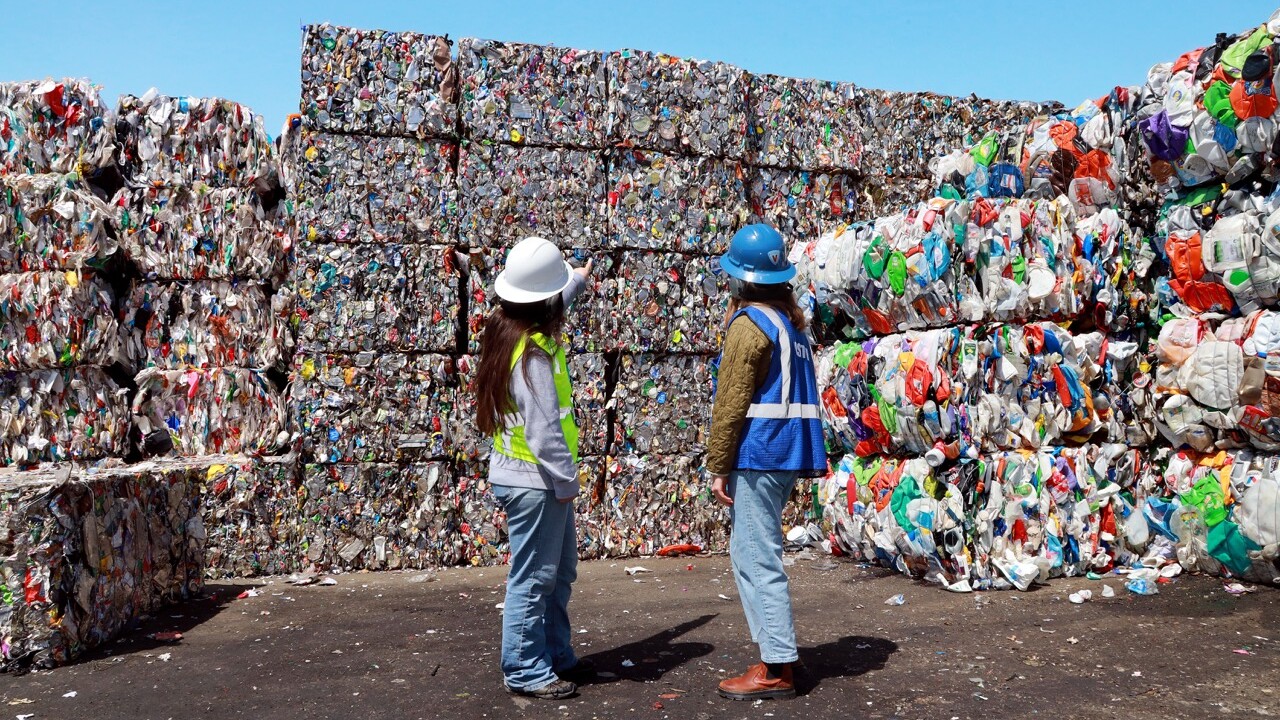
Tons diverted from landfills¹

More greenhouse gases avoided through recycling and composting than generated by our operations²

More resources recovered than discarded in our landfills, by weight
¹ Total recyclable material includes all recyclable materials Recology processed at our material recovery facilities (MRF) or transfer stations and sent to third-party recyclers or MRFs. Total compostable material includes all organic materials Recology processed at our composting or mulching facilities, or our transfer stations before being composted at third-party facilities. Both exclude residuals sent to landfills.
² Emission avoidance values were calculated using the US EPA Waste Reduction Model (WARM, 2023) for recyclable material and the California Air Resources Board Composting Emission Reduction Factor (CERF, 2017) for compostable material. The 10x ratio divides total emissions avoided by our combined scope 1 and 2 emissions.